
Exploring the psychological triggers behind casino gambling behavior
Exploring the psychological triggers behind casino gambling behavior
The allure of unpredictability
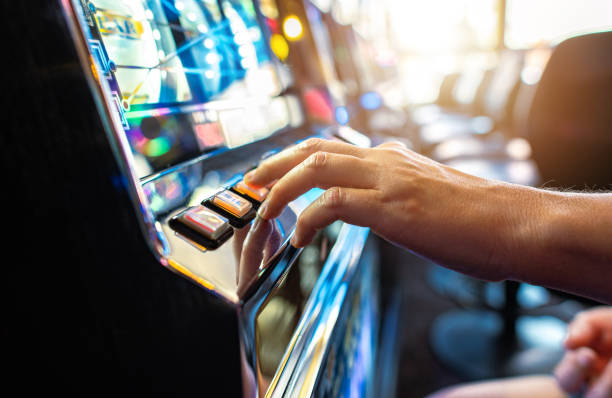
The unpredictable nature of casino games serves as a significant psychological trigger for many gamblers. This unpredictability creates an adrenaline rush that can be irresistible, providing a sense of excitement and anticipation with every spin of the roulette wheel or pull of the slot machine lever. The thrill of not knowing the outcome taps into the human desire for novelty and excitement, making gambling a compelling activity for those seeking an escape from the mundane. In recent years, several players have turned to best non gamstop casinos 2026 for a more thrilling experience.

Moreover, this unpredictability is often enhanced by the use of bright lights, engaging sounds, and enticing visuals in casino environments. These sensory elements create a stimulating atmosphere that heightens emotional responses, making the experience more immersive and compelling. Gamblers may find themselves entranced by the sensory overload, further driving their desire to engage in gambling behavior.
The role of social influences
Social factors play a critical role in influencing gambling behavior. Many individuals are drawn to casinos by the allure of social interaction and camaraderie that gambling can foster. Whether it’s the excitement of placing bets with friends or sharing in the highs and lows of wins and losses, the social aspect of gambling creates a sense of belonging that many find appealing. This social engagement can serve as a powerful motivator for individuals to frequent casinos.
Additionally, celebrity gamblers and their stories can amplify this social influence. The visibility of high-profile personalities who gamble successfully can create a perception that winning is attainable. This can lead individuals to engage in gambling behaviors with the hope of replicating such success, further fueling their interest in casino games.
The impact of cognitive biases
Cognitive biases significantly affect gambling behavior, leading individuals to make irrational decisions. One common bias is the illusion of control, where gamblers believe they can influence the outcome of games that are purely based on chance. This belief can encourage individuals to take risks, as they perceive a greater chance of winning than reality suggests. Such cognitive distortions can create a cycle of repeated gambling as individuals chase losses or reinforce their beliefs about their skills.
Furthermore, the gambler’s fallacy often plays a role in decision-making. Many gamblers believe that past outcomes can influence future results, thinking that a certain number or color is “due” for a win. This misunderstanding can lead to persistent gambling, even in the face of substantial losses. Understanding these cognitive biases is crucial for recognizing why individuals may continue gambling, despite unfavorable odds.
The effects of emotional states
Emotions can significantly influence gambling behavior, acting as both a trigger and a consequence of engaging in casino activities. Many individuals turn to gambling as a means of coping with stress, anxiety, or depression, seeking the temporary escape that gambling can provide. This emotional association can create a cycle where individuals rely on gambling as a primary coping mechanism, further entrenching them in their gambling habits.
On the flip side, winning can produce a euphoric emotional state that reinforces gambling behavior. The thrill of winning can lead to a rush of positive emotions, making individuals more likely to return to the casino in pursuit of that high. This emotional rollercoaster can keep gamblers engaged, blurring the lines between entertainment and addiction.
Our commitment to your understanding
At our website, we are dedicated to providing insights into the complex world of gambling behavior and its psychological underpinnings. We believe that understanding the psychological triggers behind casino gambling can empower individuals to make informed decisions about their gaming habits. Our mission is to create a safe and informative space for readers seeking clarity on this multifaceted subject.
By exploring these psychological aspects, we hope to raise awareness about responsible gambling practices and the importance of self-awareness in gaming behavior. Your journey towards understanding gambling psychology starts here, and we are committed to supporting you every step of the way.